Noah Fischer · 3 October 2026
Strategic Approaches to Managing Crawl Resources During Domain Transfers
Domain transfers require careful handling of crawl resources because search engines allocate limited capacity to each site based on factors like server response times, content freshness, and overall site size, and any disruption can delay indexing of the new domain. Observers note that teams often coordinate these moves by first mapping existing URL structures to their counterparts on the target domain while preserving signals that influence crawl frequency. Research indicates that sites undergoing transfers in late 2026 benefited from phased rollouts that aligned with observed patterns in bot activity, particularly when October data showed increased indexing cycles across multiple regions.
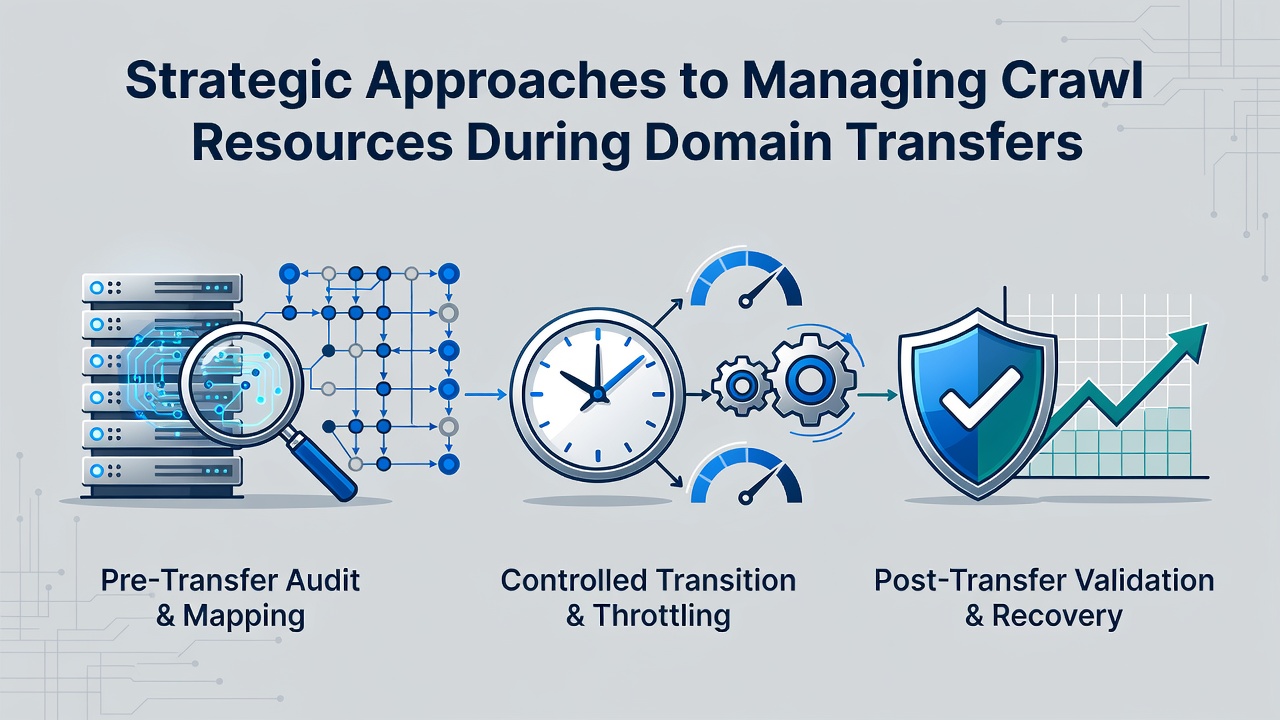
Assessing Current Crawl Patterns Before the Move
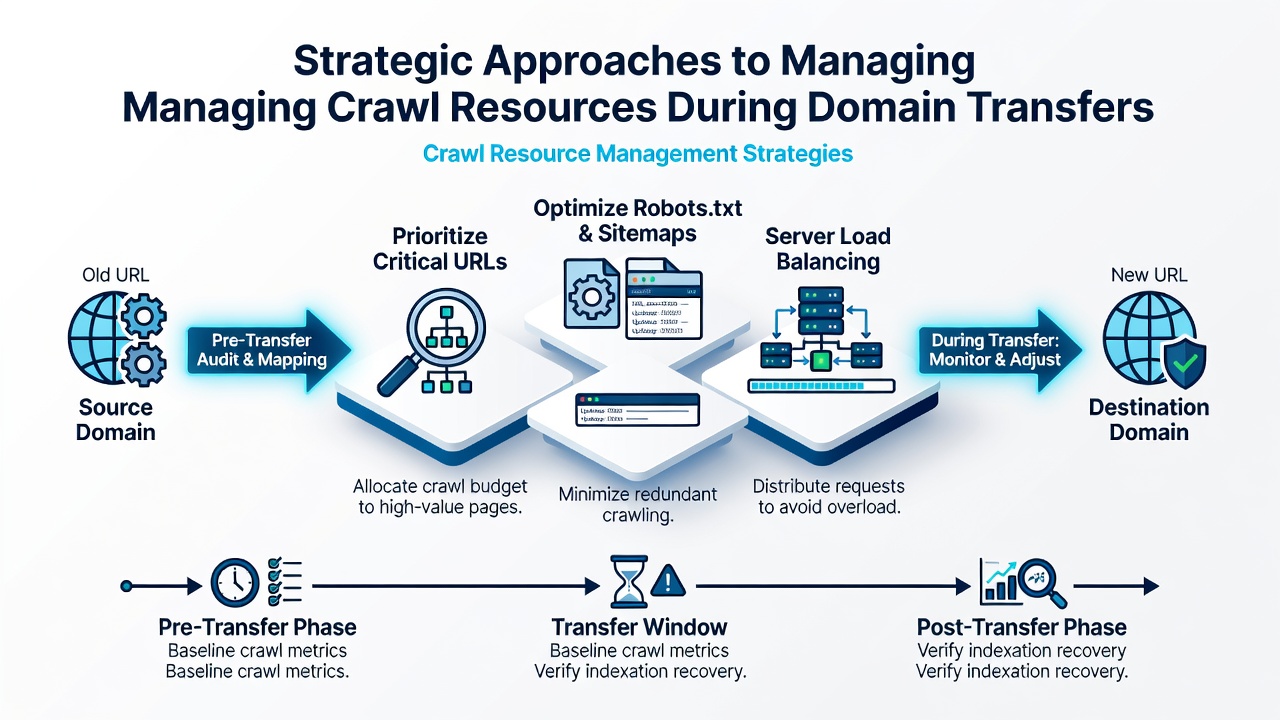
Teams begin by reviewing logs from the origin domain to identify high-priority sections that receive the most frequent visits from search engine bots, since these areas often carry the strongest ranking signals that need protection during transition. Data shows that sites with heavy image or dynamic content loads tend to consume more resources, which means pre-transfer audits focus on reducing unnecessary parameters and consolidating duplicate pages. Experts observe that patterns in October 2026 revealed higher crawl rates for domains that maintained consistent server response times below 200 milliseconds, prompting many organizations to optimize hosting configurations weeks in advance.
Implementing Technical Controls for Resource Allocation
Once assessment completes, configuration of robots.txt files and internal linking structures on both domains helps direct bots toward updated content without wasting capacity on legacy paths. Administrators frequently set temporary redirects that preserve equity while gradually shifting emphasis to the new domain, and this approach limits simultaneous strain on crawl budgets. Studies found that combining these redirects with updated sitemap submissions allowed search engines to reallocate resources efficiently, especially when the new domain featured improved page speed metrics from the outset.
Monitoring and Adjusting During the Transition Window
Real-time tracking through server logs and analytics platforms reveals how bots respond to the dual-domain setup, allowing adjustments such as increasing crawl-delay directives if the origin site shows signs of overload. Teams monitor indexation rates daily because sudden drops can signal that resources are being split inefficiently between the two properties. Evidence suggests that sites which maintained separate verification in search console tools for both domains gained clearer visibility into allocation shifts, leading to faster corrections when issues arose.
Leveraging Tools and Data Sources for Precision
Advanced log analysis software helps quantify bot behavior across the transfer period, and integration with official documentation on site moves provides structured guidance on preserving crawl signals. Those managing large-scale transfers often cross-reference findings with reports from international bodies such as the Australian Competition and Consumer Commission digital standards updates, which highlight best practices for maintaining online resource accessibility during infrastructure changes. This combination of internal data and external benchmarks supports decisions on when to fully decommission the old domain without risking indexing gaps.
Post-Transfer Optimization and Long-Term Management
After the primary switch completes, continued observation of crawl frequency on the new domain confirms whether resources have stabilized at expected levels, with adjustments to internal architecture made as needed to sustain healthy indexing. Observers note that domains which retained clean URL hierarchies and eliminated redirect chains post-transfer saw quicker recovery in crawl efficiency. Figures reveal that consistent application of these methods across multiple migrations has produced predictable outcomes where sites regain pre-transfer indexing volumes within weeks rather than months.
Conclusion
Effective management of crawl resources throughout domain transfers relies on thorough pre-planning, precise technical execution, and ongoing monitoring that adapts to real-time bot behavior. Organizations that integrate log analysis with established search engine guidelines achieve smoother transitions, while coordination across teams ensures that resource allocation remains balanced from start to finish. The approaches outlined here continue to evolve alongside changes in search engine algorithms and infrastructure standards.