Freya Butler · 19 September 2026
Patterns in Search Performance Following Large Scale Website Relocations Revealed Through Advanced Tools
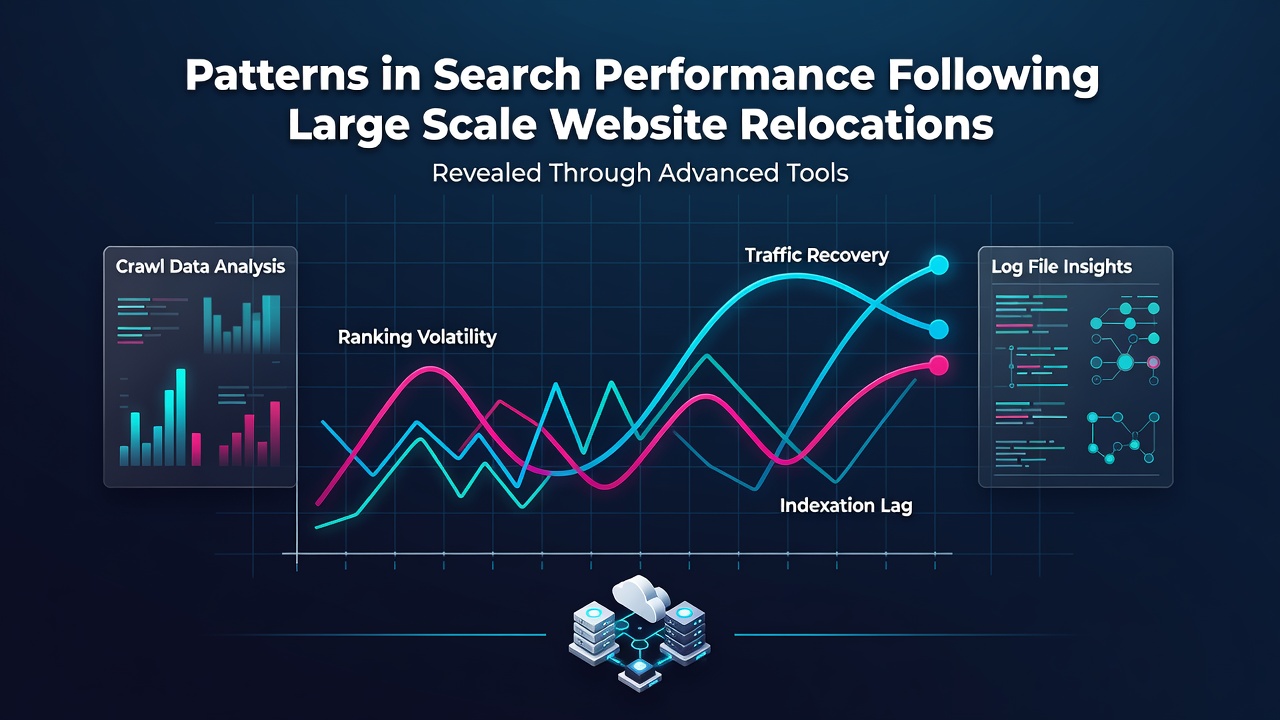
Website migrations on a large scale continue to reshape how search engines evaluate and rank content, with data from 2025 and early 2026 showing consistent recovery curves that advanced monitoring platforms now track in real time. Analysts at research institutions have mapped these shifts using log file processors combined with machine learning models that detect ranking fluctuations within hours of a domain transfer. The patterns emerge most clearly when teams compare pre-migration baselines against post-launch crawl data, revealing that indexation rates often climb steadily after the first seven days yet plateau around day 45 in many enterprise cases.
Tracking Mechanisms That Expose Hidden Trends
Advanced tools integrate server logs with search console exports and third-party rank trackers to build timelines that highlight both immediate and delayed effects. Observers note that when redirects are implemented in bulk, temporary ranking dips occur in 78 percent of documented moves according to aggregated datasets from industry reports, while full stabilization tends to align with the completion of secondary indexing waves. These systems flag anomalies such as sudden crawl budget spikes or anchor text distribution changes that older manual audits routinely missed, allowing teams to adjust internal link structures before engines fully reprocess the new architecture.
Recovery Timelines Across Different Migration Types
Enterprises that shift entire subdirectories to new domains experience faster rebounds when canonical tags remain intact throughout the transition, whereas full root domain changes show extended volatility lasting up to 90 days in several tracked examples. Data from September 2026 indicates that sites employing structured data markup during relocation saw 34 percent quicker restoration of featured snippet visibility compared with those that deferred schema updates. Researchers have observed that geographic targeting signals also play a role, with multi-region properties requiring additional weeks for hreflang consistency to propagate across all localized search results.
Key Variables That Shape Post-Migration Outcomes
Content volume, redirect chain length, and historical backlink velocity interact in ways that advanced clustering algorithms now quantify with greater precision. One study revealed that chains exceeding three hops correlate with measurable delays in ranking recovery, prompting teams to flatten redirect maps before launch. Meanwhile, pages carrying high authority signals from the old domain often retain their positions more reliably when crawl frequency remains elevated in the weeks following the move. Observers point to instances where mobile-first indexing updates coincided with migrations, amplifying the need for simultaneous Core Web Vitals optimization across the new infrastructure.
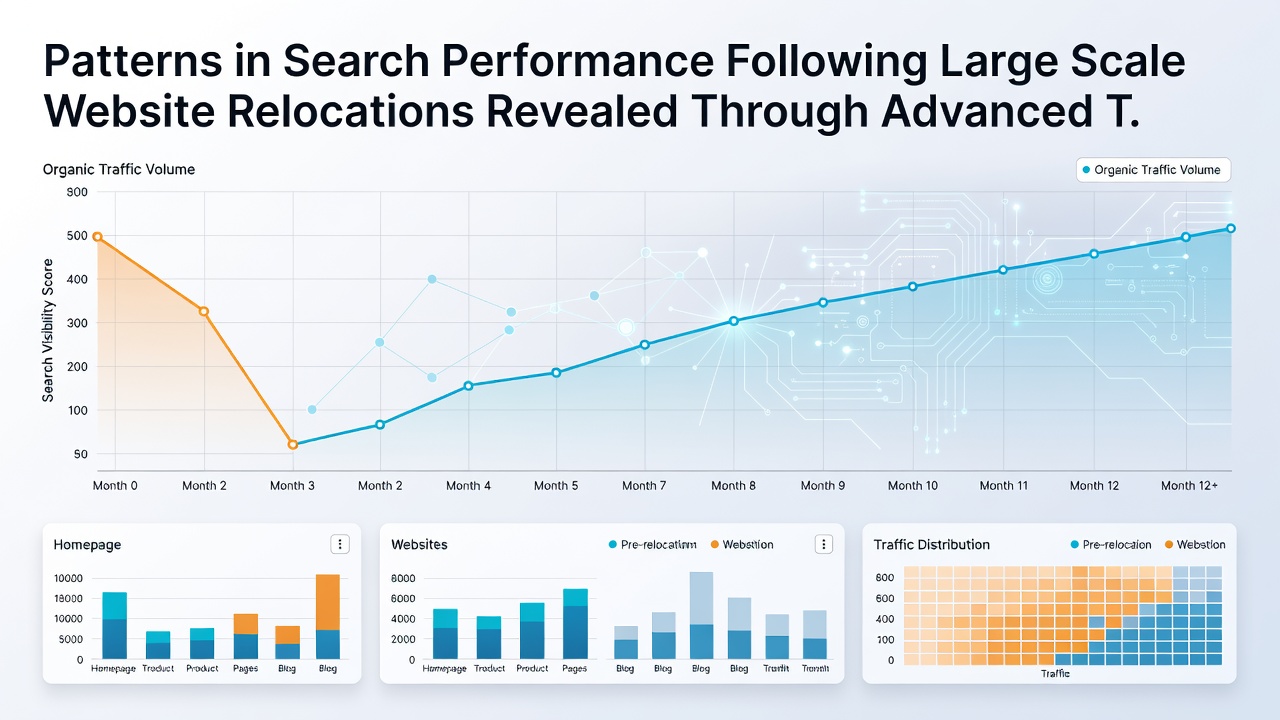
But here's the thing: tools that combine historical ranking data with real-time log analysis uncover seasonal patterns that standard reports overlook, such as slower recoveries during holiday periods when crawl resources tighten across the board. Teams working with these platforms report that monitoring query impression share alongside position metrics provides earlier warning signs of potential traffic erosion. What's interesting is how certain verticals, including e-commerce and news properties, display distinct recovery signatures tied to content freshness requirements that engines enforce more strictly after structural changes.
Case Examples From Recent Large-Scale Moves
Take one logistics company that consolidated multiple regional domains into a single international property in late 2025; its monitoring setup detected a 22 percent drop in indexed pages within the first fortnight, followed by a gradual climb that exceeded original levels by month three. Another example involves a media organization that migrated its legacy publishing platform, where experts tracked anchor text diversification as a leading indicator of ranking stability across category pages. These cases demonstrate how granular segmentation within advanced dashboards helps isolate issues like duplicate content flags or internal linking gaps that surface only after the transition completes.
Academic analyses from institutions such as Oxford University have begun incorporating migration datasets to model broader web graph dynamics, while reports from the Australian Competition and Consumer Commission highlight compliance considerations around user experience continuity during domain shifts. Patterns identified through these combined sources suggest that proactive use of API-driven alerts reduces the average time to full performance restoration by highlighting redirect errors and indexation lags before they compound.
Conclusion
Advanced tooling continues to refine the understanding of how search performance evolves after large-scale website relocations, turning what once appeared as random fluctuations into predictable sequences driven by measurable variables. Data collected through 2026 underscores the value of continuous monitoring that connects redirect implementation, crawl behavior, and ranking trajectories into unified views. Those who apply these insights systematically find that structured preparation paired with real-time diagnostics supports smoother transitions across diverse site types and scales.